Art Making Is a Process
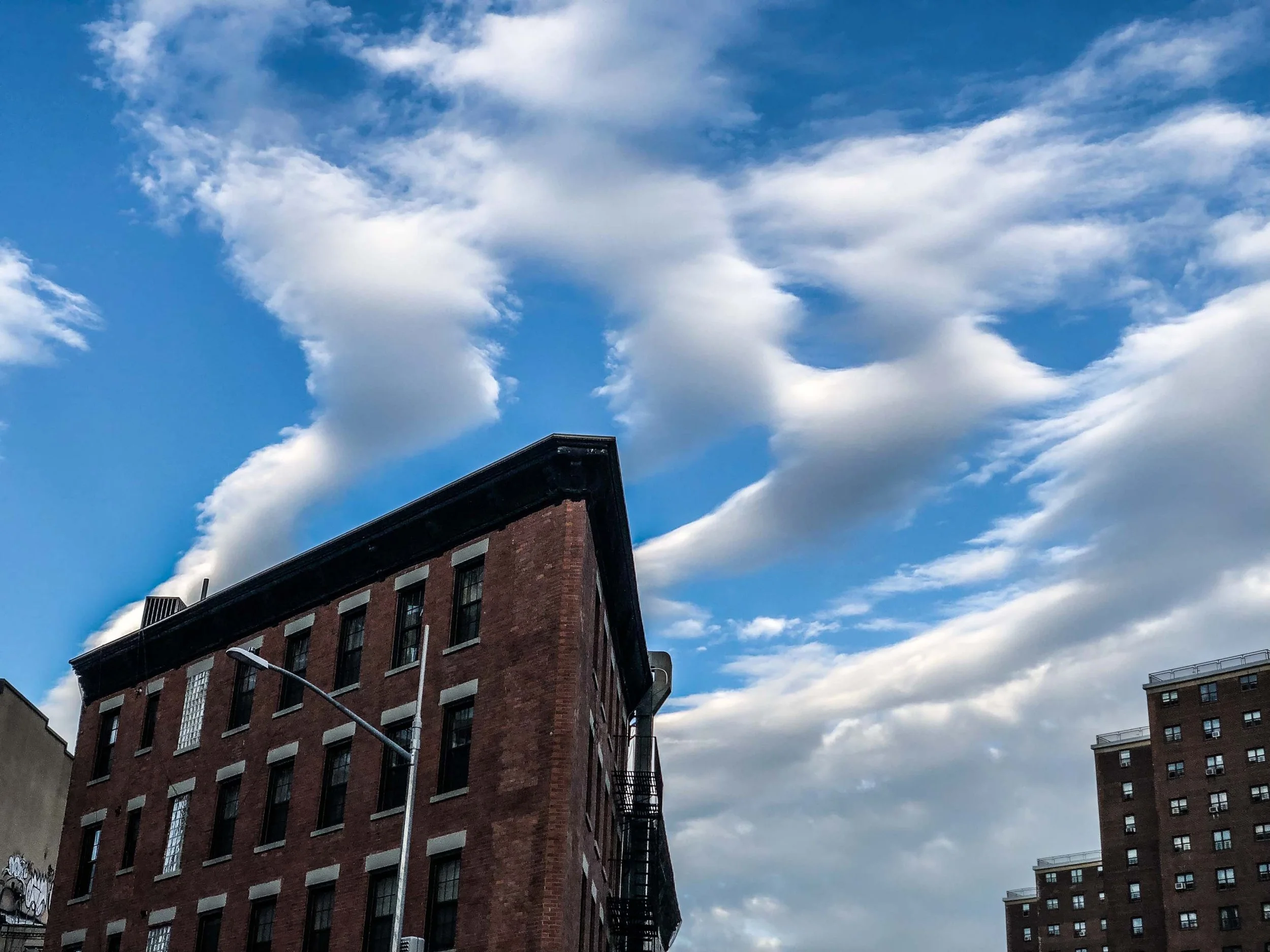
We hear this phrase all the time, especially in painting and writing. But what does it actually mean? A painter doesn’t sit in front of a blank canvas and produce a masterpiece like a machine. Even with a vision in mind, they can’t predict every brushstroke. Each mark is a response to the ones before it—sometimes logical, sometimes experimental. Over time, artists sharpen their instincts for what the next stroke should be.
Every artist’s process looks different. Some writers outline meticulously before drafting. Others jump straight into the most exciting scenes and fill in the gaps later. There’s no single correct approach—only the one that helps you create your best work.
Photography might feel instantaneous, but it has a process too. In my mind, creating a photograph happens in three stages:
Before heading out — preparing gear, researching locations, setting intentions.
In the field — reacting to light, composition, timing, and unexpected moments.
Afterward — selecting, editing, and shaping the final image.
We don’t always think about these steps consciously. For example, I developed a habit of comparing two similar photos repeatedly to train my eye. At first, it was just a way to make sure good images didn’t get lost. But the exercise sharpened my judgment so much that I now apply it to my entire library. As we aim to create better work, our processes naturally evolve.
The opposite is also true. Sometimes we hit a point where we can’t see a clear direction for improvement. In those moments, we have to trust the process—just like painters, writers, and every other kind of artist. Growth isn’t always visible in the moment, but the act of showing up, practicing, and refining eventually moves our art forward