We're Living in a Golden Age of Photo Editing
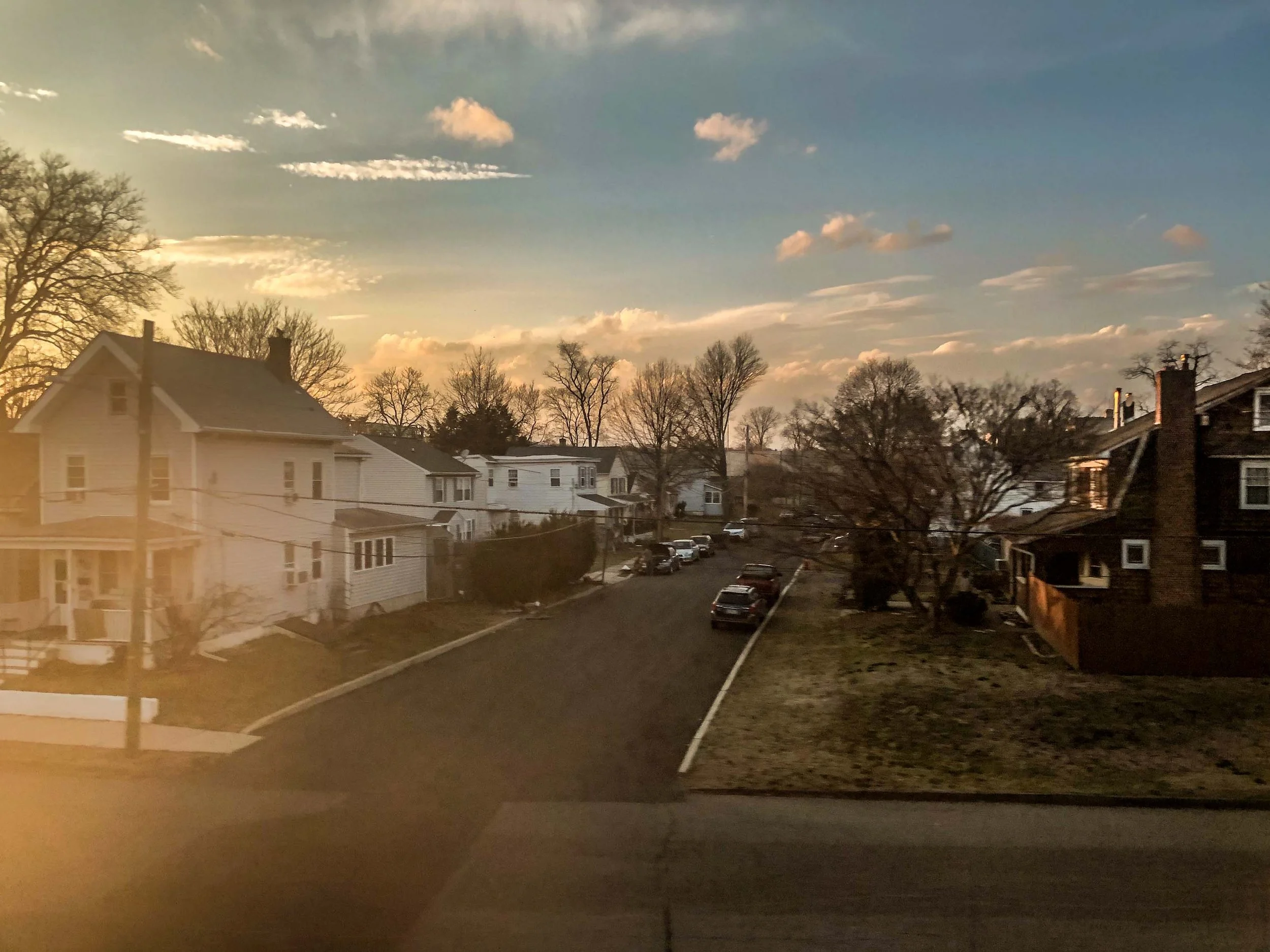
Brooks Jensen, host of the LensWork podcast, has said a few times that we're living in an interesting era for photography. Before digital processing, if a photo didn't quite match what you had in mind, there wasn't much you could do about it. But with the advancement of digital photo editing tools like Lightroom, the ceiling for improvement keeps rising. It's now possible — even common — to breathe new life into photos that weren't good enough to use just a few years ago.
The Film Era: Powerful Tools, High Effort
Back in the film days, photographers had a set of darkroom techniques to shape the tone of a photo and match their vision — cropping, and selectively over- or under-exposing parts of the image. Ansel Adams famously left detailed instructions for processing his negatives to produce prints that matched exactly what he saw in his mind's eye.
But these tools were physical and painstaking. Underexposing part of a negative meant physically covering that section to block light during printing. It was time-consuming and technically demanding. If a negative didn't meet expectations, it was rare to justify the extra effort to develop it well — which is why so many photographers ended up with boxes of not-quite-perfect negatives sitting in storage.
Lightroom's Early Years: Same Idea, Same Limits
When Lightroom first came out, it offered similar tools to the film workflow — crop, dodge, burn, and more, all in software. In theory, you could replicate the entire film darkroom process digitally. But in practice, when you're shooting hundreds of photos in a single session, it still didn't make sense to spend serious time salvaging the mediocre ones.
Today: Lower Effort, Higher Ceiling
Over the past decade, Lightroom has advanced dramatically, and the upper limit of what's fixable keeps expanding:
Lens corrections instantly fix many optical issues.
AI denoise makes photos shot at much higher ISOs usable.
Object removal can save shots that used to be unsalvageable.
Just as importantly, the effort required has dropped just as much as the ceiling has risen. These new tools are easy to learn and just a few clicks away.
So it might be worth digging through your old photo library. Some of those "not quite good enough" shots from a few years ago might be one click away from being worth sharing.