What Is an AI‑Generated Image? Why the Line Isn’t as Clear as You Think
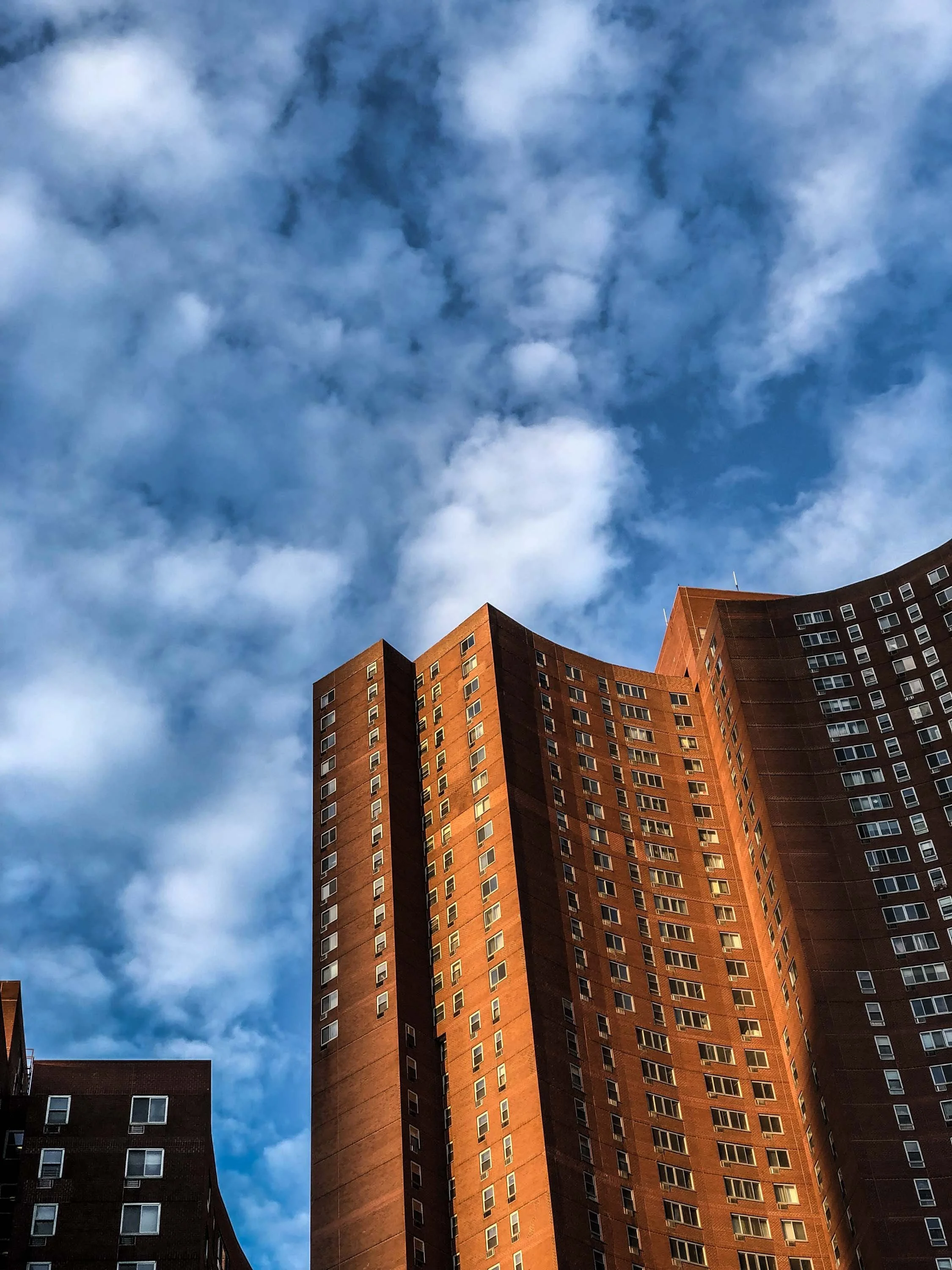
With rapid advances in generative AI, a growing number of photographers and artists are asking an important question: Should photorealistic AI-generated images be labeled as AI?
Some social media platforms have already started automatically labeling images as “AI-generated”—sometimes correctly, sometimes not. The debate is understandable. Creating a photograph takes skill, time, and effort, and it can feel unfair when someone can generate something visually similar with just a text prompt.
But the reality is far more complicated.
What Does “AI-Generated” Actually Mean?
When people hear AI-generated image, they often think of tools that create images entirely from text prompts. That certainly feels like AI. However, artificial intelligence has been part of photography for much longer than most people realize.
Consider how AI is already used in everyday photo workflows:
1. Image Compositing and Manipulation
Combining elements from multiple photos into a single image is a core technique in photography and design. This is essentially what generative AI does—but photographers and designers have been doing it manually in Photoshop for decades. In fact, most movie posters are composites, not single photographs.
2. Removing Objects From Photos
Removing distractions—like a trash can or power line—requires software to intelligently fill in missing areas. Modern tools rely heavily on AI to analyze surrounding pixels and recreate realistic textures.
3. Subject-Based Adjustments
Many editing tools can now automatically detect people, skies, animals, or objects and adjust exposure, color, or contrast selectively. These selections are powered by machine learning models trained to recognize visual patterns.
4. Noise Reduction and Image Upscaling
AI-powered noise reduction and image enlargement tools are widely used by photographers to improve image quality—especially in low-light or high-ISO situations.
5. Automatic Camera Features
Even before editing begins, AI is already at work. Modern cameras use AI for eye detection, face tracking, animal recognition, and object autofocus. These features fundamentally shape the final image.
By this definition, most photos today are already touched by AI.
The AI Debate Mirrors the Photo Editing Debate
This discussion closely resembles a long-standing argument in photography: how much editing is acceptable?
Some believe a photo should remain completely untouched.
Others believe edits are acceptable as long as they stay within what was possible in the film era.
And some believe photographers can add or remove elements entirely and still call the result a photo.
Outside of photojournalism—where strict ethical standards apply—there is no universal rule. Artists have always edited their images according to their own creative standards, and no single group can enforce its definition of authenticity on everyone else.
So Where Does That Leave AI-Generated Images?
Ideally, artists who generate photorealistic images entirely from AI prompts would label their work clearly. Transparency builds trust. However, enforcing such labeling is extremely difficult, especially when AI tools are embedded across the entire photography pipeline.
More importantly, the ability to generate realistic images from imagination does not make real photography obsolete or less valuable. Photography is still rooted in observation, timing, intent, and human experience—qualities AI cannot replicate in the same way.
Final Thoughts
Rather than asking “Is this image AI-generated?”, a better question might be:
What role did AI play in creating this image—and does it matter for its intended use?
As AI continues to evolve, so will our definitions of photography and art. The conversation is worth having—but the answers are rarely black and white.