Why Self-Imposed Restrictions Make You a Better Photographer
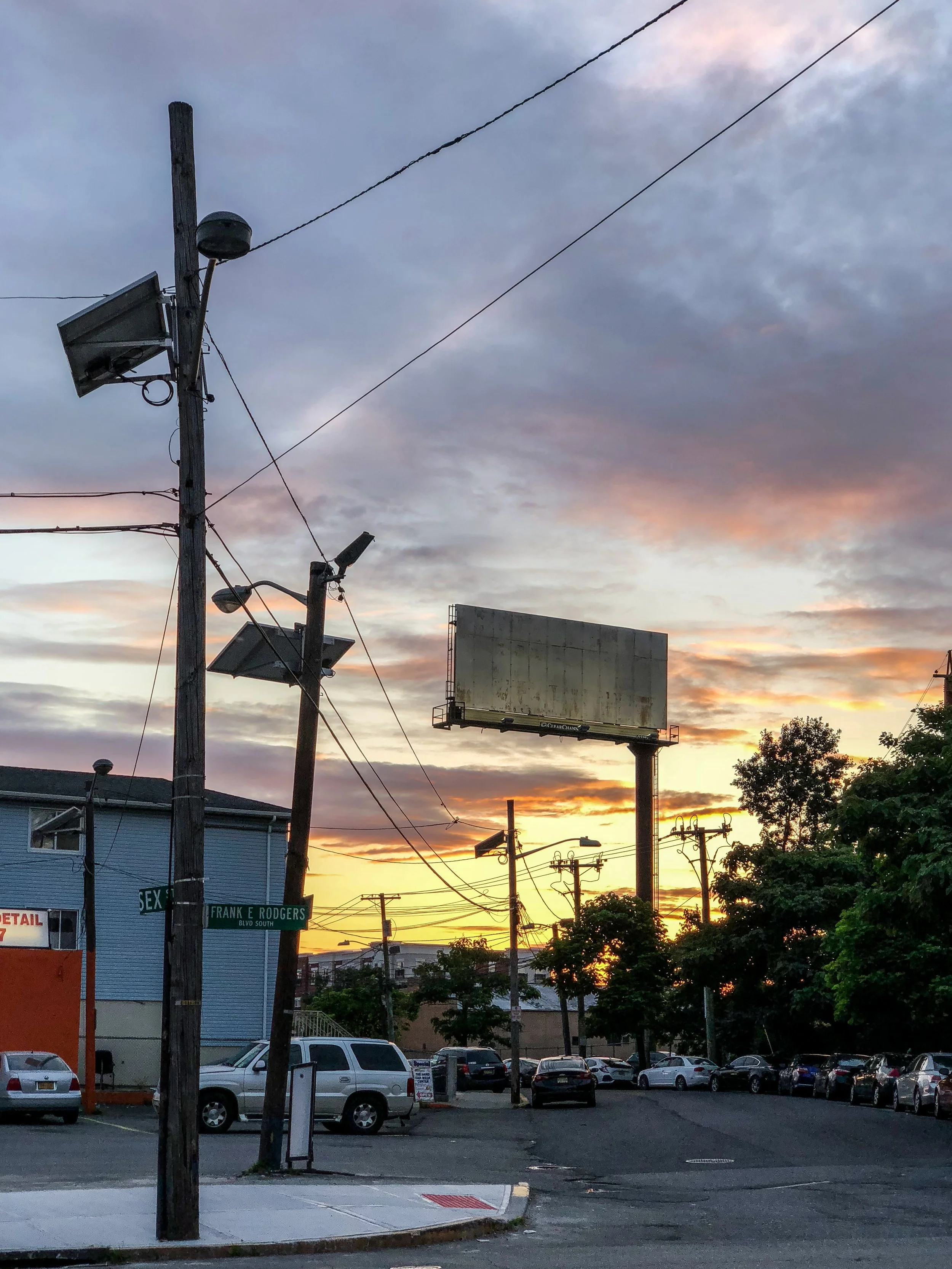
This is pretty common in movies. Big-budget blockbusters often feel less original than low-budget indie films. Artists working on lower-budget films need to find more creative ways to tell similar stories, and that can sometimes result in more interesting films. That's why restrictions can sometimes drive us to create more interesting work.
That said, there aren't many actual restrictions left in photography anymore. Modern digital cameras and lenses all have similar capabilities. They're also so much more technologically advanced than previous generations of gear that most old restrictions have faded away. Most modern zoom lenses are optically as excellent as prime lenses. AI-assisted autofocus has improved so much in recent years that it's becoming rare to focus on the wrong element. ISO performance and AI noise reduction let me shoot at ISO 10,000+, so I often photograph handheld at night now.
With the freedom to do almost anything, though, we often end up taking the same familiar photos over and over. So, to keep improving, we (sometimes unknowingly) impose restrictions on our own photography. The obvious ones are sticking to a few genres or shooting only with prime lenses. I have a few less obvious ones of my own. For example, I perspective-correct almost every photo. I've found that simply tilting the frame makes an image feel active or unstable, and I want to reserve that effect for when I actually want that feeling. Because almost every photo will be perspective-corrected, I have to work harder to keep the composition interesting — for instance, making sure there are foreground and background elements to create a sense of depth. These self-imposed restrictions are what help us develop our own style.