Why Two Photographers with the Same Camera Will Never Take the Same Photo
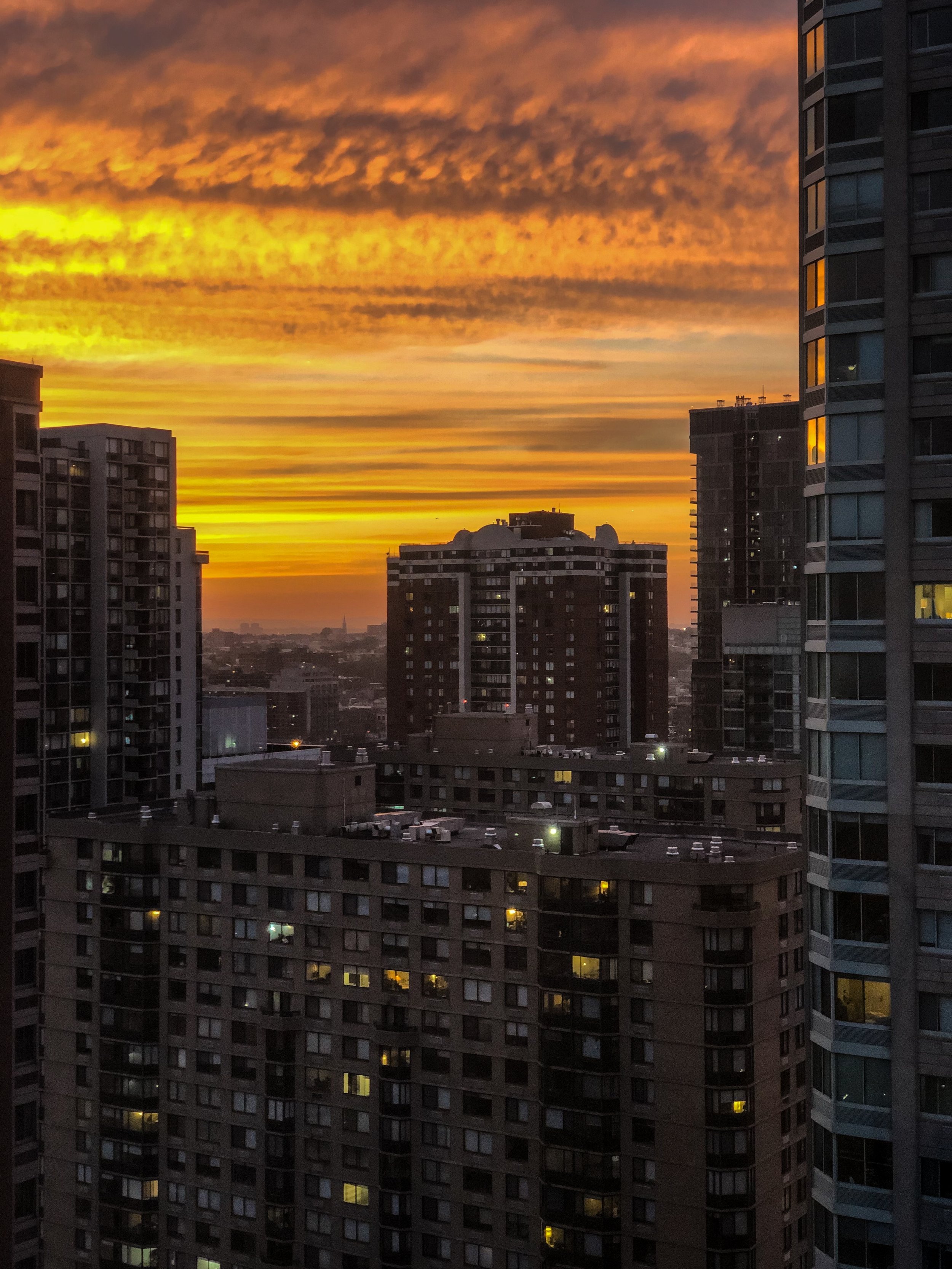
Most people assume that photography is all about having the right gear. Give two people the same camera, the same lens, and the same settings — and they'll walk away with the same shot, right?
Wrong.
As photographers, we know this couldn't be further from the truth. And understanding why is what separates a casual shooter from a true artist.
It Starts with Vision, Not Equipment
Two photographers can stand side by side, shooting with identical gear, and produce completely different images. Why? Because photography begins long before you press the shutter — it starts with what you choose to see.
One photographer might focus on a stranger's expression in a crowd. The other might zoom in on the shadows those people cast on the pavement. Same scene, entirely different stories.
Composition Is a Puzzle with Few Solutions
Take it a step further: even when two photographers are drawn to the same subject, how they choose to capture it makes all the difference. Focal length, shooting distance, and camera position dramatically reshape a composition.
Photographing a landmark in an urban landscape? There may only be two or three physical spots in the entire city where a particular composition is even possible. Finding that spot — and knowing why it works — is a skill built over years, not something gear can shortcut.
The Scene Changes Every Minute
Then there's timing. I've set up my tripod and shot the same composition for a full hour during sunset. The light at 7:03 PM looks nothing like the light at 7:22 PM. Clouds shift. Colors deepen. Shadows stretch.
A photograph isn't just a place — it's a place at a specific moment, captured by someone who chose to be there, ready, with a clear intention.
Gear Gets You in the Door. Vision Gets You the Shot.
Yes, equipment matters. But it's the entry point, not the destination. The decisions that shape a great photograph — the subject, the angle, the light, the moment — all come from the photographer's eye, experience, and creative instinct.
So next time someone says "I could take that photo if I had your camera," you can smile and know: the camera is the least interesting part of the story.