Why Your Hike Photos Never Look as Good as the Real Thing
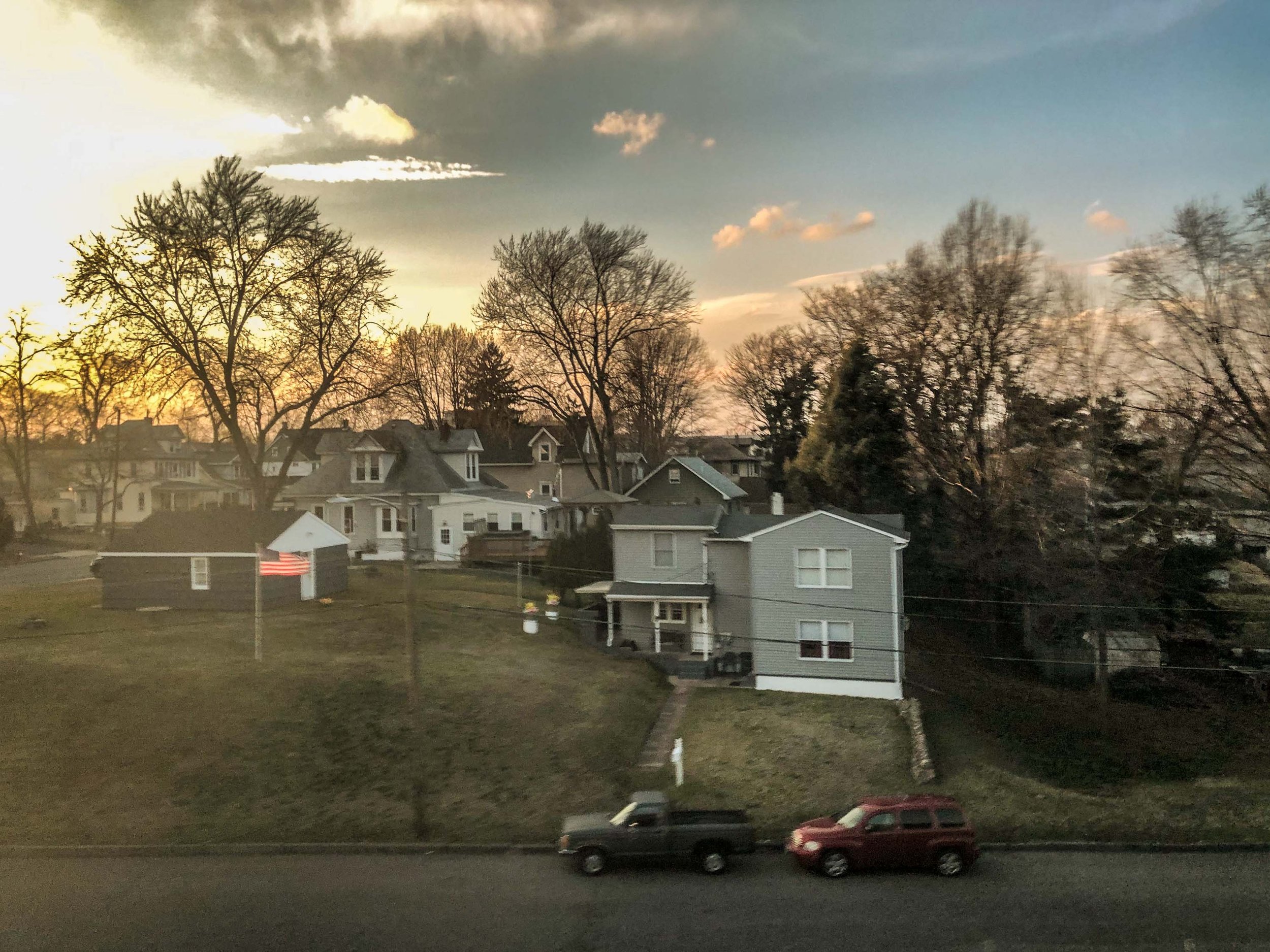
I recently saw a question on Reddit: someone had taken photos during a hike and couldn't figure out why they didn't look as good as the real thing. My first thought was simple — this is a beginner who hasn't yet developed the skill to take good photos.
But that raised a more interesting question: why did he assume he already had that skill?
The answer, I think, is that many people see photography as an act of recording, not creating. If I stand next to Ansel Adams and press the shutter, surely I get an Ansel Adams photograph too — right?
That assumption is oddly unique to photography. Nobody expects to paint like Edward Hopper on their first try, no practice required. The same goes for songwriting, or writing in general — which is ironic, since almost everyone can talk, and talking is a form of language. By that logic, anyone who can talk should be able to write well. Being able to write doesn't mean the writing is any good.
The Technical Skill Nobody Talks About
Taking a technically correct photo has gotten a lot easier — but you still need to understand how a camera actually works, and the principles behind the settings you're choosing. The details matter more than people expect, and you usually only learn them by getting them wrong first.
Take aperture. In the film era, shooting at the smallest aperture (like f/22) gave you the widest depth of field, and the image stayed sharp throughout. That's no longer true. Every lens behaves differently, but most modern lenses hit peak sharpness in the f/2–f/8 range. Push to f/22 for extra depth of field, and you'll start to lose sharpness to diffraction. It's a trade-off, not a free lunch — and you only really internalize that by testing it yourself.
Skill Gets You in the Door. Vision Gets You the Shot.
Once you've learned to operate the camera, the real work of photography begins: finding the right angle, the right moment, and doing justice to what's actually in front of you. It's about composition — knowing which parts of a scene deserve your frame, and how to translate a three-dimensional moment onto a flat surface.
It also takes time to train your eye. You have to learn to step back from your own photos and judge them honestly — is this actually good, or do I just remember how it felt to be there? That judgment comes from trial and error. Lots of it. Skipping the practice doesn't make the process any simpler; it just makes the results worse.
The Best Art Looks Easy
I don't think this illusion is unique to photography. The best work in any craft looks effortless. That's precisely the trick — and precisely why it isn't.