Do Locations Make Photographers? Or Do Photographers Make Locations Their Own?
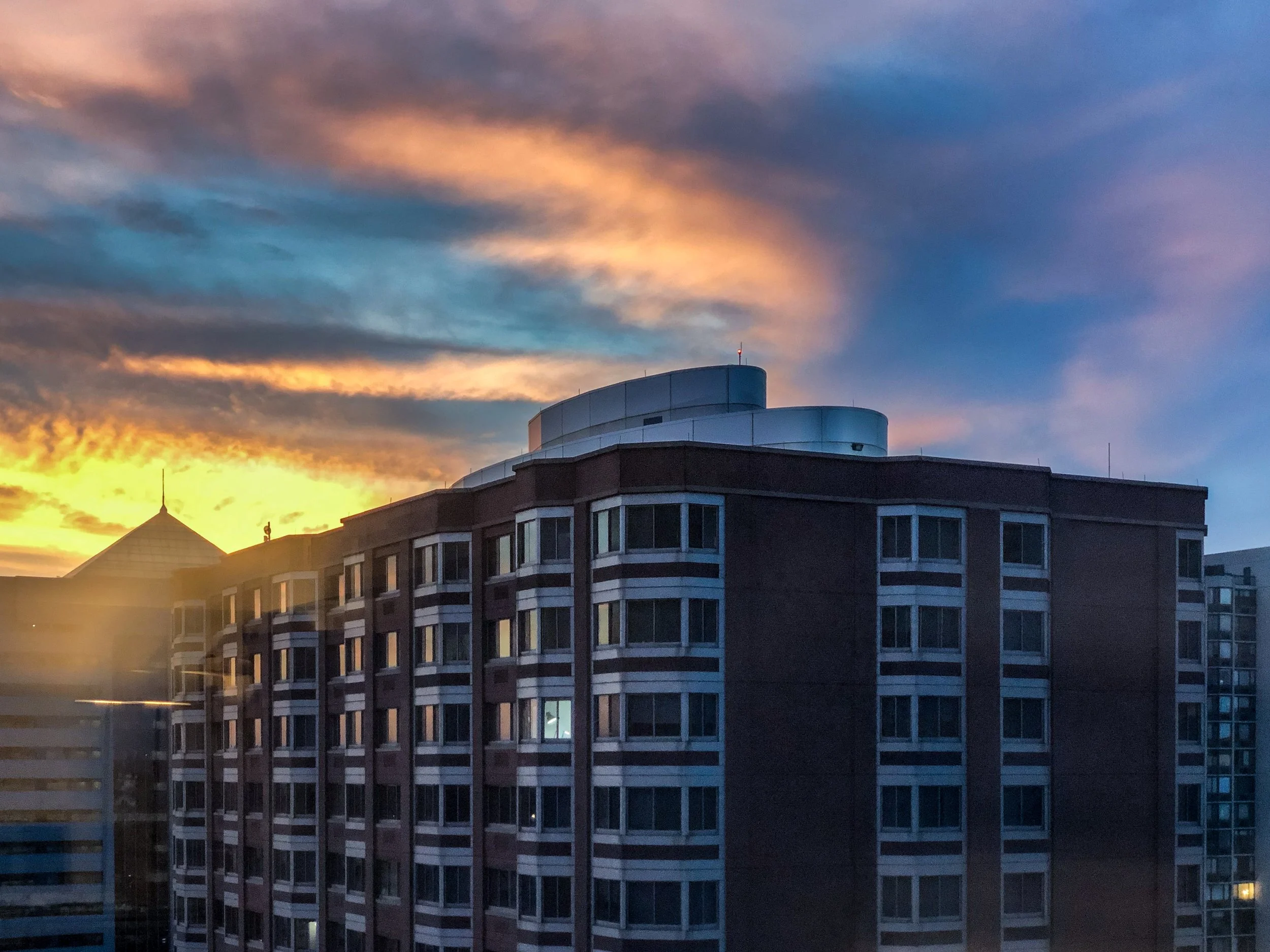
An Australian photographer based in Japan was recently forced to leave the country. As he explained in a video, Japan significantly increased the capital requirement for foreigners to live and work there — so high that staying was no longer feasible for him. By the time he posted the video explaining his decision, he had already been back in Australia for a few months.
The same video also featured work he'd made since returning home. I don't know many of Australia's iconic photographic subjects, so what surprised me was how different this new work looked compared to his photography in Japan. That got me thinking:
Do locations make photographers? Or do photographers make locations their own?
Becoming the Photographer of Your Neighborhood
I've talked before about how, as photographers, we should be advocates for our own neighborhoods. As locals, we should know all the photogenic spots. We should be able to get to them quickly when conditions are perfect. We should even study what makes our neighborhoods unique and show that to the rest of the world.
Push this idea far enough, and you start to become known as "the [location] photographer." But that raises a question: what happens when we photograph somewhere else entirely?
When Great Photographers Leave Their Signature Locations
While Ansel Adams is famous for his Yosemite photographs, he shot many national parks — and some of those images became just as celebrated as his Yosemite work.
Henri Cartier-Bresson's most iconic photographs were taken in Paris, yet he also built entire collections in countries like India and China. I haven't compared his photos of India against other photographers' work from the same country, but now I'm curious: can you still find his signature — his eye, his style — even when he's shooting somewhere unfamiliar?