How to Create a Sense of Movement in Still Photography
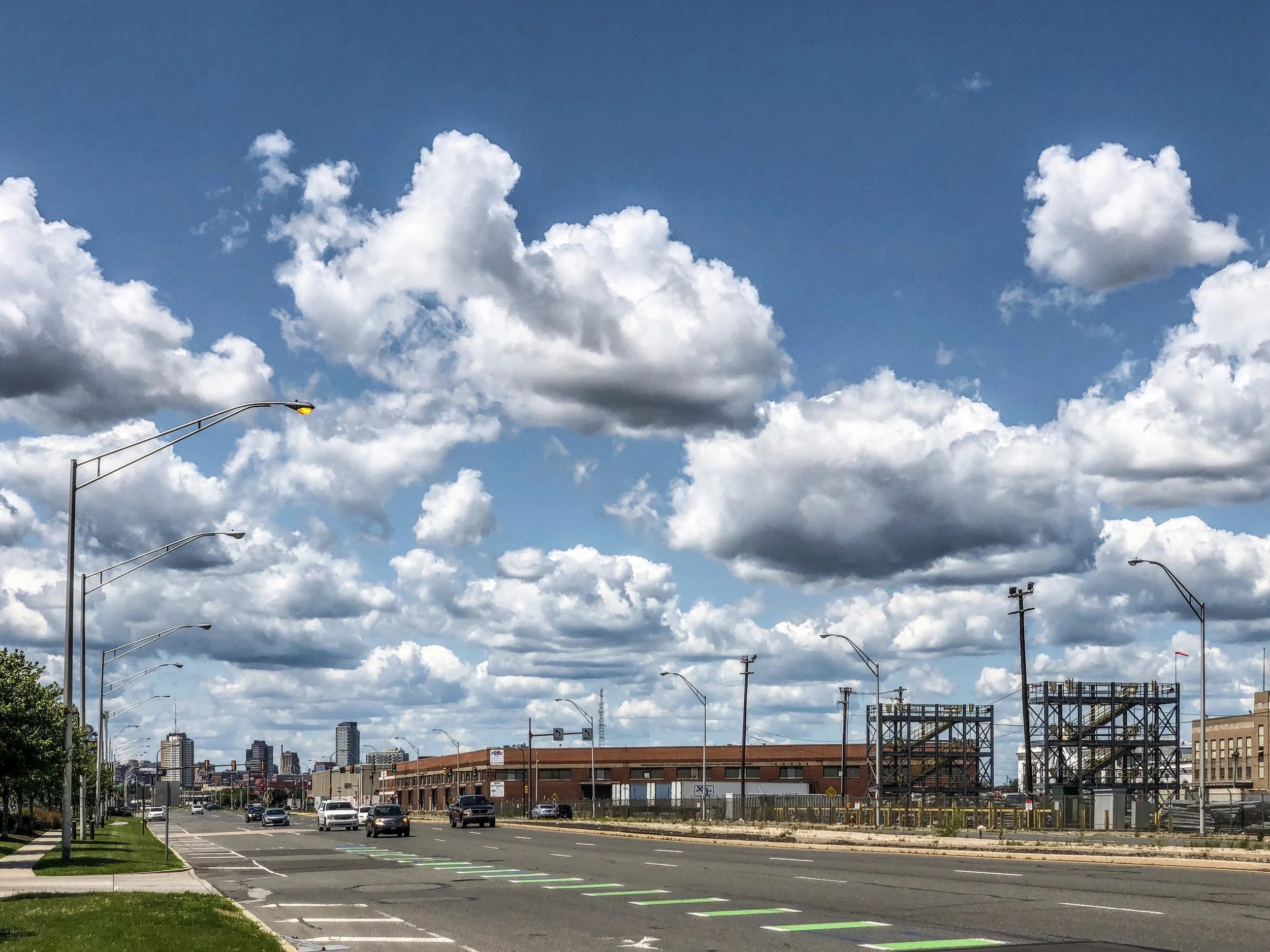
While photographing urban landscapes, I came to appreciate how movement can transform an otherwise still scene. Motion creates contrast against a static background, and that contrast makes a photo feel more dramatic. Our eyes are naturally drawn to moving subjects — so when a photo includes one, it pulls the viewer's attention first.
The more I thought about this, the more I realized it applies far beyond urban photography — it's a principle that runs through nearly every genre. There's just one problem: by nature, nothing in a photograph actually moves. A photo is a still. So how do we create the impression of movement in an image that, by definition, is frozen?
Here are three techniques photographers use to suggest motion in a still frame.
1. Let the Weather Do the Work
Ansel Adams famously waited for the perfect moment to photograph Half Dome in the middle of a snowstorm. Why? Because many elements in nature are in constant motion — and falling snow or rain are some of the most obvious examples.
When we look at a photo taken in the rain or snow, our minds automatically read the falling drops or flakes as movement, even though every one of them is frozen in time. This is a big reason bad weather often improves a photo rather than ruining it: it adds a layer of implied motion that a clear, static sky simply can't offer.
2. Capture a Moment That Demands a "Next"
Henri Cartier-Bresson's famous Decisive Moment photograph captured a man mid-leap over a puddle, suspended in the air. We look at that man and instinctively know he can't stay there — gravity will bring him down in the next instant. Our minds automatically anticipate what happens next, and that anticipation is what creates the sense of movement.
This technique doesn't need to be as dramatic as a mid-air jump. It can be as simple as capturing someone mid-stride while walking. The key is choosing a moment your viewer's brain can't help but complete.
3. Use Motion Blur to Extend the Moment
A photograph captures a single moment in time — but that moment can be stretched. When your shutter speed is slower than the speed of the subject's movement, you get motion blur. It's such a widely recognized visual cue that viewers instantly connect it to movement, whether it's:
People walking
A car, train, or plane in motion
Water flowing over rocks or through a river
Motion blur doesn't just suggest movement — it lets the viewer feel the passage of time within a single frame.
The Takeaway
A still photo will never truly move — but a great photographer can make the viewer's mind do the moving for them. Whether it's through weather, anticipation, or motion blur, these techniques all work the same way: they give the viewer's brain just enough information to fill in what happens next.
Next time you're out shooting, ask yourself: how can I make this still scene feel alive?