The Overlooked Details That Make Every Neighborhood Worth Photographing
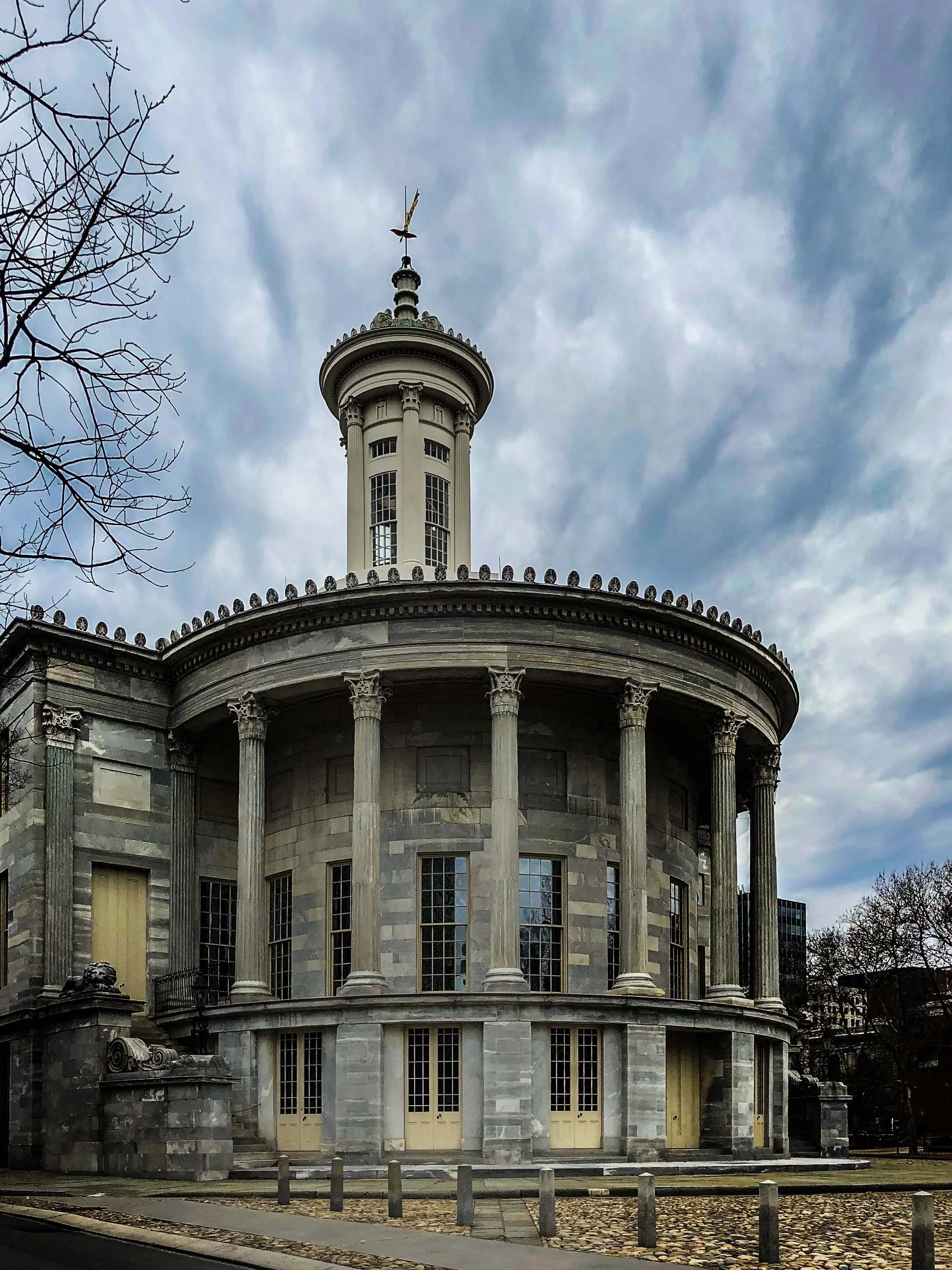
Have you ever returned to a place you once lived and suddenly noticed things you had completely forgotten? Maybe it was a familiar train station, a corner store, or even something small and ordinary — a street sign, a poster, the way two buildings line up at a certain angle. These tiny details carry the imprint of a place, even when we don’t realize it.
What’s fascinating is how these impressions connect us. When I share photos of these everyday details on Instagram, people sometimes comment, “That was my old neighborhood.” We’ve never met, yet a simple image becomes a shared memory. Photography has a quiet way of bridging those invisible threads between strangers.
Your Neighborhood Might Be More Photogenic Than You Think
I’ve often said that your own neighborhood might be the most underrated photo subject. But the challenge is that we rarely notice what makes our everyday surroundings special. This is where travel becomes unexpectedly useful.
When you visit a new place — whether it’s a major city or a small town — the differences stand out immediately. And those differences sharpen your awareness of home. Something as simple as the color of taxi cabs can feel photo‑worthy when you’re a tourist. By that same logic, the taxis in your own neighborhood might be fascinating to someone visiting from elsewhere.
Public transit systems are another great example. Every city has its own visual language: signage, colors, architecture, even the shape of the trains. These elements are so familiar to locals that they disappear into the background — but to visitors, they’re unique and memorable.
Everyday Chains, Extraordinary Contexts
Even global chains like McDonald’s can reveal surprising contrasts. In rural areas, a McDonald’s might have its own building with oversized decorations. In dense cities, the same restaurant might be tucked into a compact storefront. A photo of a rural McDonald’s could be fascinating to someone who has only seen the urban version — and vice versa.
These contrasts remind us that the ordinary is only ordinary because we see it every day.
When You Travel, Look Outward — But Also Look Back Home
So the next time you travel, enjoy the thrill of discovering new details — the textures, colors, and quirks that make a place feel alive. But also remember this: those same kinds of differences exist in your own neighborhood, waiting to be noticed, appreciated, and photographed.
Travel doesn’t just show you new places. It teaches you how to see your old ones with fresh eyes.