What Makes a Photo Easy — or Hard — to Read?
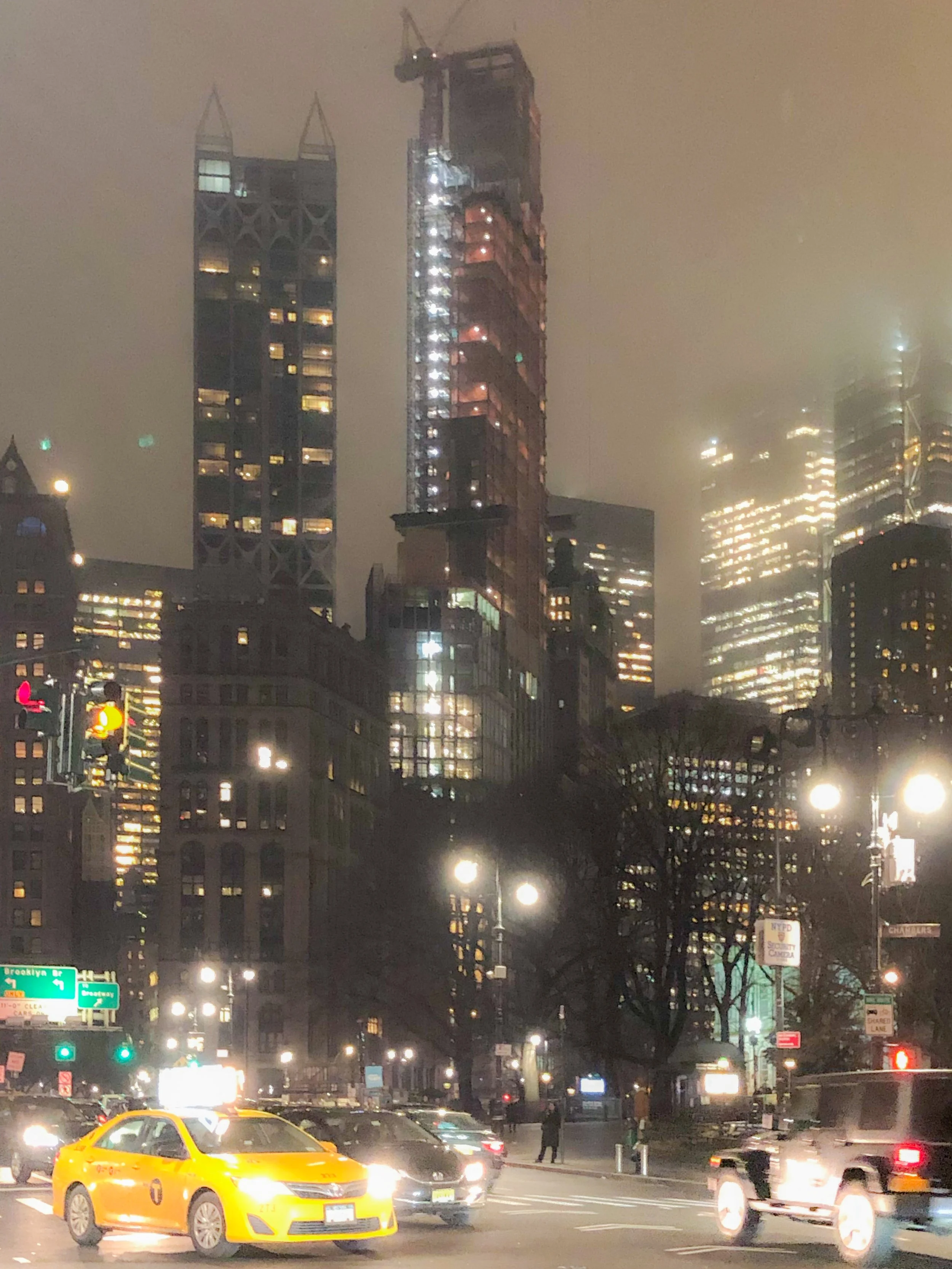
Browsing photography feedback threads on Reddit has taught me a lot about what separates a strong photo from a weak one. The biggest factor? Readability.
A good photo is easy to read. The subject is clear and well-isolated from its surroundings. Secondary elements — like a winding path leading toward the subject — may exist to support the composition, but they never compete for attention. Everything in the frame serves a purpose.
A bad photo, by contrast, is confusing. There might be several competing subjects with no clear hierarchy. The main subject could be partially obscured — hidden behind a branch or lost in a cluttered background. Worse, something at the edge of the frame — a partially cropped object, a bright light source — pulls the eye away from where it should be.
In all these cases, I find myself guessing at the photographer's intention. Sometimes you can sense what they were going for, even if it didn't land. Other times, the image is a mystery. Either way, it feels incomplete.
Photography Is the Craft of Communicating Intention
This frustration led me to a realization: photography is fundamentally about making your intentions visible.
Take the simplest scenario — you're standing in front of a beautiful scene and you want to capture it. That desire alone doesn't make a great photo. You have to work to communicate it:
Walk around to eliminate distracting elements like trash cans or signage.
Find leading lines — a row of street lights, a fence, a road — that guide the viewer's eye toward your subject.
Check your edges. A bright billboard or a stray arm creeping into the corner can silently hijack a viewer's attention.
Every decision you make — where you stand, what you include, what you cut out — is a way of saying: this is what I saw, and this is why it mattered.